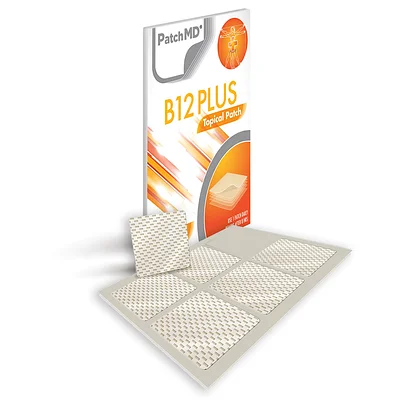
PatchMD Focus Plus Topical Patch - 30 Daily Patches



PatchMD Focus Plus Topical Patch - 30 Daily Patches
Customers also bought


PatchMD Focus Plus Topical Patch - 30 Daily Patches
£20.50

Additional details
PatchMD Focus Topical Patch
PatchMD's Focus patch is designed to support you throughout the day. It's easy-to-use and fits seamlessly into your routine.
Simply apply to clean skin each morning and enjoy consistent nutrient support, then remove after around 8 hours.
Ingredient Benefits
This advanced blend is rich in vitamins and nutrients that support brain function, psychological performance, and nervous system activity.
B vitamins, vitamin C and magnesium contribute to cognitive function, energy metabolism and neurotransmission. With added nutrients such as Zinc, Omega 3 and folate, this formulation offers all natural comprehensive support.
Vitamin A (Beta-Carotene) — 77.52mcg RAE
- Contributes to the maintenance of normal skin, vision, and the immune system (the organs and processes of the body that provide resistance to infection and toxins)
- Aids Iron metabolism (the body's processes for regulating iron levels, including absorption, transport, storage, and utilisation, which are crucial for maintaining health and preventing iron deficiency or overload).
- Contributes to normal:
- Energy-yielding metabolism (the process of breaking down food molecules to produce energy for cells)
- Functioning of the nervous system (which includes the brain, spinal cord, and a complex network of nerves which sends messages back and forth between the brain and the body)
- Psychological function (eg. attention, memory, reasoning, emotion regulation, decision-making, and language ability)
- Function of the heart
- Contributes to the reduction of tiredness and fatigue
- Aids normal:
- Energy-yielding metabolism (the process of breaking down food molecules to produce energy for cells)
- Functioning of the nervous system (which includes the brain, spinal cord, and a complex network of nerves which sends messages back and forth between the brain and the body)
- Maintenance of red blood cells
- Iron metabolism (the body's processes for regulating iron levels, including absorption, transport, storage, and utilisation, which are crucial for maintaining health and preventing iron deficiency or overload)
- Maintenance of normal:
- Skin
- Vision
- Mucous membranes (the inner lining of some organs and body cavities such as the nose, mouth, lungs, and stomach)
- Assists in the protection of cells from oxidative stress (an imbalance of free radicals and antioxidants in the body. This imbalance can lead to cell and tissue damage)
- Contributes to normal:
- Energy-yielding metabolism (the process of breaking down food molecules to produce energy for cells)
- Functioning of the nervous system (which includes the brain, spinal cord, and a complex network of nerves which sends messages back and forth between the brain and the body)
- Psychological function (eg. attention, memory, reasoning, emotion regulation, decision-making, and language ability)
- Maintenance of normal skin and mucous membranes (the inner lining of some organs and body cavities such as the nose, mouth, lungs, and stomach)
- Helps reduce tiredness and fatigue
- Contributes to normal:
- Energy-yielding metabolism (the process of breaking down food molecules to produce energy for cells)
- Contributes to the reduction of tiredness and fatigue
- Aids normal:
- Energy-yielding metabolism (the process of breaking down food molecules to produce energy for cells)
- Regulation of hormone activity
- Red blood cell formation
- Protein and glycogen metabolism (processes for energy storage and utilisation. Glycogen, a stored form of glucose, is broken down to provide energy, while protein is used for building and repairing tissues)
- Functioning of the nervous system (which includes the brain, spinal cord, and a complex network of nerves which sends messages back and forth between the brain and the body)
- Psychological function (eg. attention, memory, reasoning, emotion regulation, decision-making, and language ability)
- Immune system function (the organs and processes of the body that provide resistance to infection and toxins)
- Contributes to normal:
- Energy-yielding metabolism (the process of breaking down food molecules to produce energy for cells)
- Functioning of the nervous system (which includes the brain, spinal cord, and a complex network of nerves which sends messages back and forth between the brain and the body)
- Psychological function (eg. attention, memory, reasoning, emotion regulation, decision-making, and language ability)
- Maintenance of normal hair, skin, and mucous membranes (the inner lining of some organs and body cavities such as the nose, mouth, lungs, and stomach)
- Contributes to normal:
- Amino acid metabolism (the process of breaking down and using amino acids which help build proteins and support detoxification in the liver)
- Blood formation
- Function of the immune system (the organs and processes of the body that provide resistance to infection and toxins)
- Psychological function (eg. attention, memory, reasoning, emotion regulation, decision making, and language ability)
- Aids the reduction of tiredness and fatigue
- Helps reduce tiredness and fatigue
- Supports normal:
- Energy-yielding metabolism (the process of breaking down food molecules to produce energy for cells)
- Formation of red blood cells
- Function of the nervous system (which includes the brain, spinal cord, and a complex network of nerves which sends messages back and forth between the brain and the body)
- Psychological function (eg. attention, memory, reasoning, emotion regulation, decision-making, and language ability)
- Immune system function (the organs and processes of the body that provide resistance to infection and toxins)
- Contributes to the reduction of tiredness and fatigue
- Aids normal:
- Energy-yielding metabolism (the process of breaking down food molecules to produce energy for cells)
- Functioning of the immune system (the organs and processes of the body that provide resistance to infection and toxins)
- Functioning of the nervous system (which includes the brain, spinal cord, and a complex network of nerves which sends messages back and forth between the brain and the body)
- Psychological function (eg. attention, memory, reasoning, emotion regulation, decision-making, and language ability)
- Increases iron absorption
- Supports the protection of cells from oxidative stress (an imbalance of free radicals and antioxidants in the body. This imbalance can lead to cell and tissue damage)
- Contributes to the maintenance of normal bones, teeth and muscle function
- Assists in the normal function of the immune system (the organs and processes of the body that provide resistance to infection and toxins).
- Contributes to normal:
- Cognitive function (the mental processes involved in acquiring knowledge, understanding, and using information, encompassing abilities like memory, attention, learning, and problem-solving)
- Energy-yielding metabolism (the process of breaking down food molecules to produce energy for cells).
- Psychological function (eg. attention, memory, reasoning, emotion regulation, decision-making, and language ability).
- Functioning of the nervous system (which includes the brain, spinal cord, and a complex network of nerves which sends messages back and forth between the brain and the body).
- DNA synthesis (the process of creating new DNA molecules essential for cell division, growth, and the transmission of genetic information)
- Contributes to the reduction of tiredness and fatigue
- Aids in normal:
- Energy-yielding metabolism (the process of breaking down food molecules to produce energy for cells)
- Electrolyte balance (maintaining the right levels of minerals in body fluids to maintain; fluid balance, nerve and muscle function, and heart rhythm regulation)
- Protein synthesis (the process of making proteins which are used for many structures and functions in the body)
- Functioning of the nervous system (which includes the brain, spinal cord, and a complex network of nerves which sends messages back and forth between the brain and the body)
- Psychological function (eg. attention, memory, reasoning, emotion regulation, decision-making, and language ability)
- Contributes to normal sulphur amino acid metabolism (the process of breaking down and using amino acids which help build proteins and support detoxification in the liver)
- Contributes to the maintenance of normal; brain function, vision, blood pressure and triglyceride levels.
- Aids the normal function of the heart.
- Supports normal functioning of the nervous system (which includes the brain, spinal cord, and a complex network of nerves which sends messages back and forth between the brain and the body).
- Contributes to the maintenance of normal blood pressure.
- Aids normal muscle function.
- Vitamin A (Beta-Carotene) - 77.52mcg RAE / 8.61
- Vitamin B1 (as Thiamine Mononitrate) - 129.21mcg / 10.77
- Vitamin B2 (as Riboflavin) - 129.21mcg / 9.94
- Vitamin B3 (as Niacin) - 64.60mcg NE / 0.54
- Vitamin B5 (as D Calcium Pantothenate) - 646.05mcg / 12.92
- Vitamin B6 (as Pyridoxal 5-phisphate) - 646.06mcg / 38.22
- Vitamin B7 (as Biotin) - 10mg / 33.33
- Vitamin B9 (Folate as 5-MTHF L-Methylfolate) - 10mcg DFE / 2.5
- Vitamin B12 (as Methylcobalamin) - 20mcg / 333.2
- Vitamin C (as Ascorbic Acid) - 9.69mg / 10.76
- Vitamin D3 (as Cholecalciferol) - 20mcg / 100
- Chromium - 0.64mcg / 1.84
- Zinc Citrate - 650mcg / 4.33
- L-Theanine - 6.4mg / *
- 5HTP - 3.23mg / *
- Lions Mane Mushroom - 9.69mg / *
- Magnesium Malate - 1.61mg / *
- Molybdenum - 12.92mcg / *
- Omega 3 DHA - 6.46mg / *
- Omega 3 EPA - 6.46mg / *
- Lemon balm - 12.92mg / *
- Phosphatidyl Serine - 6.46mg / *
- Potassium Citrate - 1.61mg / *
- Pterostilbene - 51.68mcg / *
- Rhodiola Rosea - 3.23mg / *
- Phosphatidyl Choline - 6.46mg / *
- Passionflower - 12.92mg / *
- Ginseng - 6.46mg / *
No reviews yet
Be the first to share your experience!
PatchMD Focus Topical Patch
PatchMD's Focus patch is designed to support you throughout the day. It's easy-to-use and fits seamlessly into your routine.
Simply apply to clean skin each morning and enjoy consistent nutrient support, then remove after around 8 hours.
Ingredient Benefits
This advanced blend is rich in vitamins and nutrients that support brain function, psychological performance, and nervous system activity.
B vitamins, vitamin C and magnesium contribute to cognitive function, energy metabolism and neurotransmission. With added nutrients such as Zinc, Omega 3 and folate, this formulation offers all natural comprehensive support.
Vitamin A (Beta-Carotene) — 77.52mcg RAE
- Contributes to the maintenance of normal skin, vision, and the immune system (the organs and processes of the body that provide resistance to infection and toxins)
- Aids Iron metabolism (the body's processes for regulating iron levels, including absorption, transport, storage, and utilisation, which are crucial for maintaining health and preventing iron deficiency or overload).
- Contributes to normal:
- Energy-yielding metabolism (the process of breaking down food molecules to produce energy for cells)
- Functioning of the nervous system (which includes the brain, spinal cord, and a complex network of nerves which sends messages back and forth between the brain and the body)
- Psychological function (eg. attention, memory, reasoning, emotion regulation, decision-making, and language ability)
- Function of the heart
- Contributes to the reduction of tiredness and fatigue
- Aids normal:
- Energy-yielding metabolism (the process of breaking down food molecules to produce energy for cells)
- Functioning of the nervous system (which includes the brain, spinal cord, and a complex network of nerves which sends messages back and forth between the brain and the body)
- Maintenance of red blood cells
- Iron metabolism (the body's processes for regulating iron levels, including absorption, transport, storage, and utilisation, which are crucial for maintaining health and preventing iron deficiency or overload)
- Maintenance of normal:
- Skin
- Vision
- Mucous membranes (the inner lining of some organs and body cavities such as the nose, mouth, lungs, and stomach)
- Assists in the protection of cells from oxidative stress (an imbalance of free radicals and antioxidants in the body. This imbalance can lead to cell and tissue damage)
- Contributes to normal:
- Energy-yielding metabolism (the process of breaking down food molecules to produce energy for cells)
- Functioning of the nervous system (which includes the brain, spinal cord, and a complex network of nerves which sends messages back and forth between the brain and the body)
- Psychological function (eg. attention, memory, reasoning, emotion regulation, decision-making, and language ability)
- Maintenance of normal skin and mucous membranes (the inner lining of some organs and body cavities such as the nose, mouth, lungs, and stomach)
- Helps reduce tiredness and fatigue
- Contributes to normal:
- Energy-yielding metabolism (the process of breaking down food molecules to produce energy for cells)
- Contributes to the reduction of tiredness and fatigue
- Aids normal:
- Energy-yielding metabolism (the process of breaking down food molecules to produce energy for cells)
- Regulation of hormone activity
- Red blood cell formation
- Protein and glycogen metabolism (processes for energy storage and utilisation. Glycogen, a stored form of glucose, is broken down to provide energy, while protein is used for building and repairing tissues)
- Functioning of the nervous system (which includes the brain, spinal cord, and a complex network of nerves which sends messages back and forth between the brain and the body)
- Psychological function (eg. attention, memory, reasoning, emotion regulation, decision-making, and language ability)
- Immune system function (the organs and processes of the body that provide resistance to infection and toxins)
- Contributes to normal:
- Energy-yielding metabolism (the process of breaking down food molecules to produce energy for cells)
- Functioning of the nervous system (which includes the brain, spinal cord, and a complex network of nerves which sends messages back and forth between the brain and the body)
- Psychological function (eg. attention, memory, reasoning, emotion regulation, decision-making, and language ability)
- Maintenance of normal hair, skin, and mucous membranes (the inner lining of some organs and body cavities such as the nose, mouth, lungs, and stomach)
- Contributes to normal:
- Amino acid metabolism (the process of breaking down and using amino acids which help build proteins and support detoxification in the liver)
- Blood formation
- Function of the immune system (the organs and processes of the body that provide resistance to infection and toxins)
- Psychological function (eg. attention, memory, reasoning, emotion regulation, decision making, and language ability)
- Aids the reduction of tiredness and fatigue
- Helps reduce tiredness and fatigue
- Supports normal:
- Energy-yielding metabolism (the process of breaking down food molecules to produce energy for cells)
- Formation of red blood cells
- Function of the nervous system (which includes the brain, spinal cord, and a complex network of nerves which sends messages back and forth between the brain and the body)
- Psychological function (eg. attention, memory, reasoning, emotion regulation, decision-making, and language ability)
- Immune system function (the organs and processes of the body that provide resistance to infection and toxins)
- Contributes to the reduction of tiredness and fatigue
- Aids normal:
- Energy-yielding metabolism (the process of breaking down food molecules to produce energy for cells)
- Functioning of the immune system (the organs and processes of the body that provide resistance to infection and toxins)
- Functioning of the nervous system (which includes the brain, spinal cord, and a complex network of nerves which sends messages back and forth between the brain and the body)
- Psychological function (eg. attention, memory, reasoning, emotion regulation, decision-making, and language ability)
- Increases iron absorption
- Supports the protection of cells from oxidative stress (an imbalance of free radicals and antioxidants in the body. This imbalance can lead to cell and tissue damage)
- Contributes to the maintenance of normal bones, teeth and muscle function
- Assists in the normal function of the immune system (the organs and processes of the body that provide resistance to infection and toxins).
- Contributes to normal:
- Cognitive function (the mental processes involved in acquiring knowledge, understanding, and using information, encompassing abilities like memory, attention, learning, and problem-solving)
- Energy-yielding metabolism (the process of breaking down food molecules to produce energy for cells).
- Psychological function (eg. attention, memory, reasoning, emotion regulation, decision-making, and language ability).
- Functioning of the nervous system (which includes the brain, spinal cord, and a complex network of nerves which sends messages back and forth between the brain and the body).
- DNA synthesis (the process of creating new DNA molecules essential for cell division, growth, and the transmission of genetic information)
- Contributes to the reduction of tiredness and fatigue
- Aids in normal:
- Energy-yielding metabolism (the process of breaking down food molecules to produce energy for cells)
- Electrolyte balance (maintaining the right levels of minerals in body fluids to maintain; fluid balance, nerve and muscle function, and heart rhythm regulation)
- Protein synthesis (the process of making proteins which are used for many structures and functions in the body)
- Functioning of the nervous system (which includes the brain, spinal cord, and a complex network of nerves which sends messages back and forth between the brain and the body)
- Psychological function (eg. attention, memory, reasoning, emotion regulation, decision-making, and language ability)
- Contributes to normal sulphur amino acid metabolism (the process of breaking down and using amino acids which help build proteins and support detoxification in the liver)
- Contributes to the maintenance of normal; brain function, vision, blood pressure and triglyceride levels.
- Aids the normal function of the heart.
- Supports normal functioning of the nervous system (which includes the brain, spinal cord, and a complex network of nerves which sends messages back and forth between the brain and the body).
- Contributes to the maintenance of normal blood pressure.
- Aids normal muscle function.
- Vitamin A (Beta-Carotene) - 77.52mcg RAE / 8.61
- Vitamin B1 (as Thiamine Mononitrate) - 129.21mcg / 10.77
- Vitamin B2 (as Riboflavin) - 129.21mcg / 9.94
- Vitamin B3 (as Niacin) - 64.60mcg NE / 0.54
- Vitamin B5 (as D Calcium Pantothenate) - 646.05mcg / 12.92
- Vitamin B6 (as Pyridoxal 5-phisphate) - 646.06mcg / 38.22
- Vitamin B7 (as Biotin) - 10mg / 33.33
- Vitamin B9 (Folate as 5-MTHF L-Methylfolate) - 10mcg DFE / 2.5
- Vitamin B12 (as Methylcobalamin) - 20mcg / 333.2
- Vitamin C (as Ascorbic Acid) - 9.69mg / 10.76
- Vitamin D3 (as Cholecalciferol) - 20mcg / 100
- Chromium - 0.64mcg / 1.84
- Zinc Citrate - 650mcg / 4.33
- L-Theanine - 6.4mg / *
- 5HTP - 3.23mg / *
- Lions Mane Mushroom - 9.69mg / *
- Magnesium Malate - 1.61mg / *
- Molybdenum - 12.92mcg / *
- Omega 3 DHA - 6.46mg / *
- Omega 3 EPA - 6.46mg / *
- Lemon balm - 12.92mg / *
- Phosphatidyl Serine - 6.46mg / *
- Potassium Citrate - 1.61mg / *
- Pterostilbene - 51.68mcg / *
- Rhodiola Rosea - 3.23mg / *
- Phosphatidyl Choline - 6.46mg / *
- Passionflower - 12.92mg / *
- Ginseng - 6.46mg / *
No reviews yet
Be the first to share your experience!

Customers Also Bought